Featured
Table of Contents
It's likewise worth keeping in mind that therapists can take health and wellness insuranceand while some forms of insurance policy might cover particular sorts of training, you'll typically pay out of pocket for training sessions. Due to stringent laws, licensed specialists should frequently restrict their relationship (and communication) with customers to what takes place throughout sessionshowever, coaches aren't under that exact same mandate.
Because it's typical for instructors to offer text, e-mail, or perhaps phone and video clip support for customers in between sessions (which isn't the case in therapy), it can mean that the client-coach relationship might really feel "closer" sometimes than a client-therapist partnership, says Preston. Yet this doesn't mean you can not create a close connection with your therapist, also.
As a result of this, you may experience even more of an all-around wellness change. "You can really feel near to your specialist due to the fact that they supply a non-judgmental space to share anything on your mind," claims Aramyan. "They're able to reserve that area for you to refine any feelings or experiences all the while verifying you and your challenges.
Trains aren't restricted from sharing tales regarding themselves with their customers. So, you might be most likely to become aware of your instructor's individual life and experiences than, say, your therapist's. Therapists and coaches both prioritize confidentiality, accredited therapists are also legitimately needed to stick to the Wellness Insurance Transportability and Responsibility Act (HIPAA), while life instructors aren't.
Volcanic Feelings: An Underreported Experience of Hormonal Shifts in Napa, CA
"A client should think about employing a life coach over a specialist when they have actually accomplished security in their lives and are seeking to amplify the success they've currently imagined," Preston claims. "If they prepare to make choices, take action, and create outcomes by discovering to understand and trust themselves, then training is a terrific fit."You may additionally find that collaborating with both a train and a therapist is the finest of both globes.
As a basic example: If you're seeing a therapist for anxiousness, your specialist may provide a diagnosis, show you about your signs, and suggest coping strategieslike a daily stroll, for instanceto aid, states Cheyenne. After that, your life instructor could be able to help you stay responsible in between your treatment sessions and even show up and walk with you for responsibility, she states.
If training appears up your alley, the finest means to find an ICF-certified coach is on the ICF internet site, says Preston. You can additionally find a selection of trainers on social media sites, but to see to it you're getting "one of the most legitimate support," Preston encourages ensuring they are ICF-certified. To discover a certified specialist, you can search online, seek "in-network" service providers with your wellness insurance coverage, or start by speaking to your primary treatment medical professional, Lawrence claims.
This is a great possibility to feel things out, ask inquiries, and make certain you're an aligned fit. Every specialist is various, so it may take some time to find the most effective fit for you. No matter the direction you choose, keep in mind: There's no embarassment in requesting assistance. Meguire Hennes is a self-employed way of living reporter focusing on fashion information, celeb design, dating, and health (her Libra moon won't allow her choose one beat).
Identifying When You Need Help of Birth Trauma
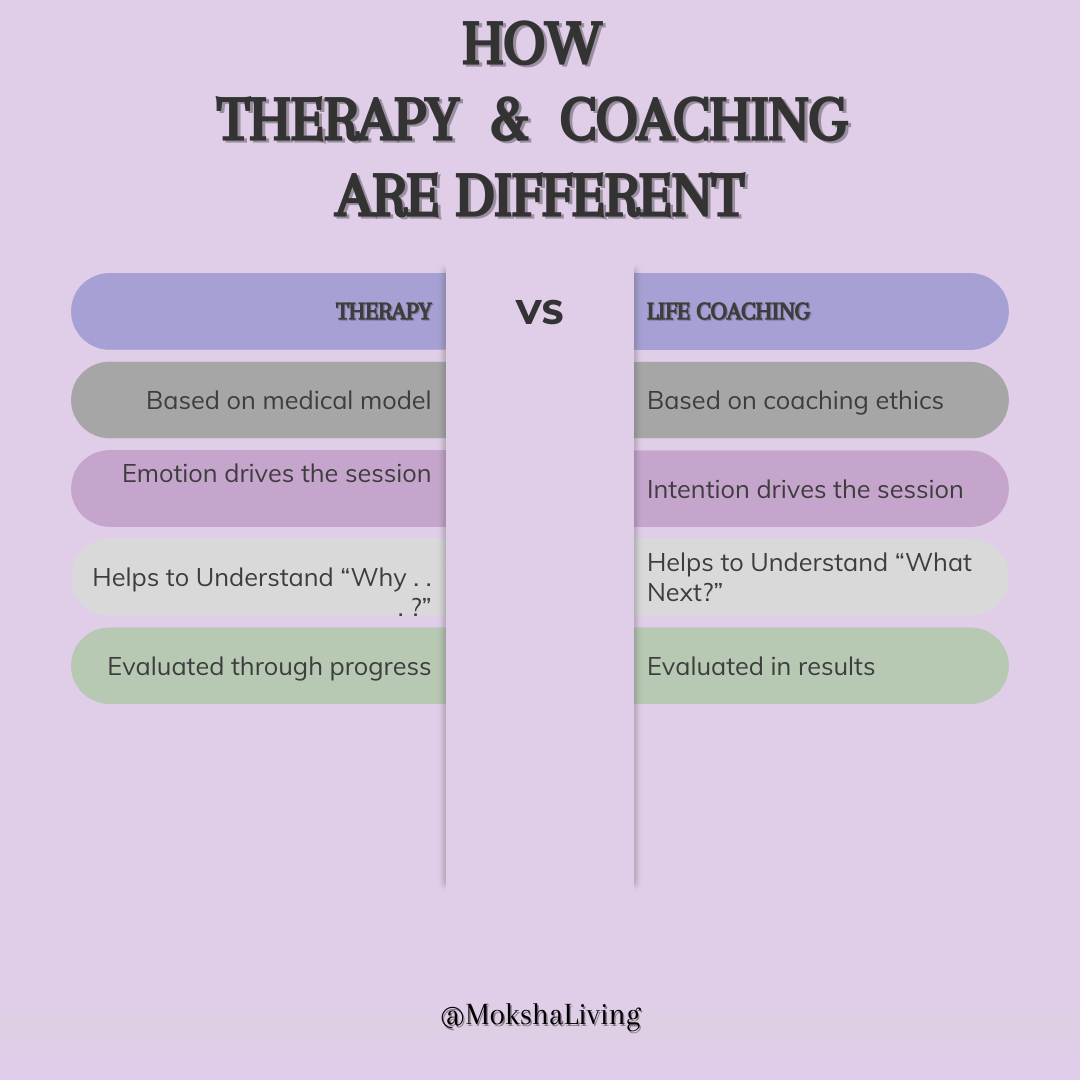
Maybe you're even under the impression that there isn't a distinction. Well, to sum points up succinctly: Treatment and LIFE MENTORING are not the same and each offers a different purpose. What's the distinction between a life train and a specialist?
It's a basic matter of picking the best technique that reflects your psychological wellness and life goals. Therapy, likewise typically referred to as psychotherapy or therapy, is designed to be a long-term process between a patient and their therapist.
A life instructor aids their clients established goals, refine in on reliable habits, and get rid of specific challenges like laziness on preparing for a public speech. An instructor functions as a kind of coach to assist the customer focus on what can be altered currently and for the futureinstead of dealing with events that have actually happened in the past.
How Blending Various Techniques Offers Comprehensive Support in Napa, CA
We'll enter into even more granular information of the differences between coaching vs. treatment below. In basic, life trains are PRESENT AND FUTURE FOCUSED. Life coaches aid their clients discover their past just as a way of comprehending their current life experiences and belief systems. Their main goals are to assist a client check out where they are, where they intend to be, and how to obtain from factor A to point B.
Make an activity plan to start positive change. Enhance your self-worth. Find a work-life equilibrium. Concern limiting ideas concerning your possibility. Reframe past experiences with a strong concentrate on making modifications for today and future you. Determine, established, and accomplish goals. Take real action and measure the results. Adapt to life changes efficiently.

While a therapist might work with customers to establish objectives and make adjustments, primarily clients come to them looking for help with recovery injury, overcoming misuse, dealing with addiction, or treating psychological illness. Because therapists have a specialized grad degree and clinical training, they have an extensive structure of understanding about the mind, biology, and human actions.

Latest Posts
Addressing Past Wounds in Multicultural Contexts
Strengthening Mental Health Using Culturally Informed Methods
Exploring Attachment Patterns in Mental Health in Therapeutic Settings